I believe good design brings together all five human senses: sight, touch, smell, taste, and hearing, shaping them into a meaningful form.
Design requires the skill to find the invisible signs that already exist in the world. Therefore, it is necessary to abandon the ego as much as possible.
We shape our surroundings, and design is the wisdom within them. When we connect with it, we begin to see the world differently.



Misa Awatsuji - We don’t often think about why flowers are beautiful. The same is true of design, if it is instantly captivating, it is clear and beautiful. These words from my father have always been a source of inspiration to me. There is no need for difficult logic in design. Just as in the process of creating a design, the moment an image comes to mind, it must be expressed at once. If that timing is missed, the design will fade away in the blink of an eye. Inspiration comes suddenly and unexpectedly, but it does not come from nothing. It is born from the accumulation of experience and daily accumulation. In fact, the source of inspiration can be found very close to home. Therefore, it is up to us to notice what is important in our daily lives and what we can sense from that. Design continues to evolve day by day with the flow of the times and the trends of the world, and people expect us to come up with new proposals that exceed their imagination. Even so, we must not be carried away by the status quo, but continue to have an attitude that does not overlook even the most trivial of daily activities. We believe that the enrichment of people’s lives is the catalyst for the creation of rich designs.








Naoto Fukasawa - Design is about making things that well match people’s lives and behavior and blend them. The goal of design is to eliminate any discomfort in the relationship between things and people and make consistency between them. Design can be inspiring, however, the design must inspire in a natural way, without being strongly exposed and be aware of in the environment. Design is all about finding out what is the best relationship between people, things, and the environment, and finally, embody it into the object. Even though we are not quite aware of it, the goodness of this relationship creates small happiness. That is a sensual harmony, a harmony which is not the result of some major achievements, but rather the result of living thoughtfully and improving the quality of our life.

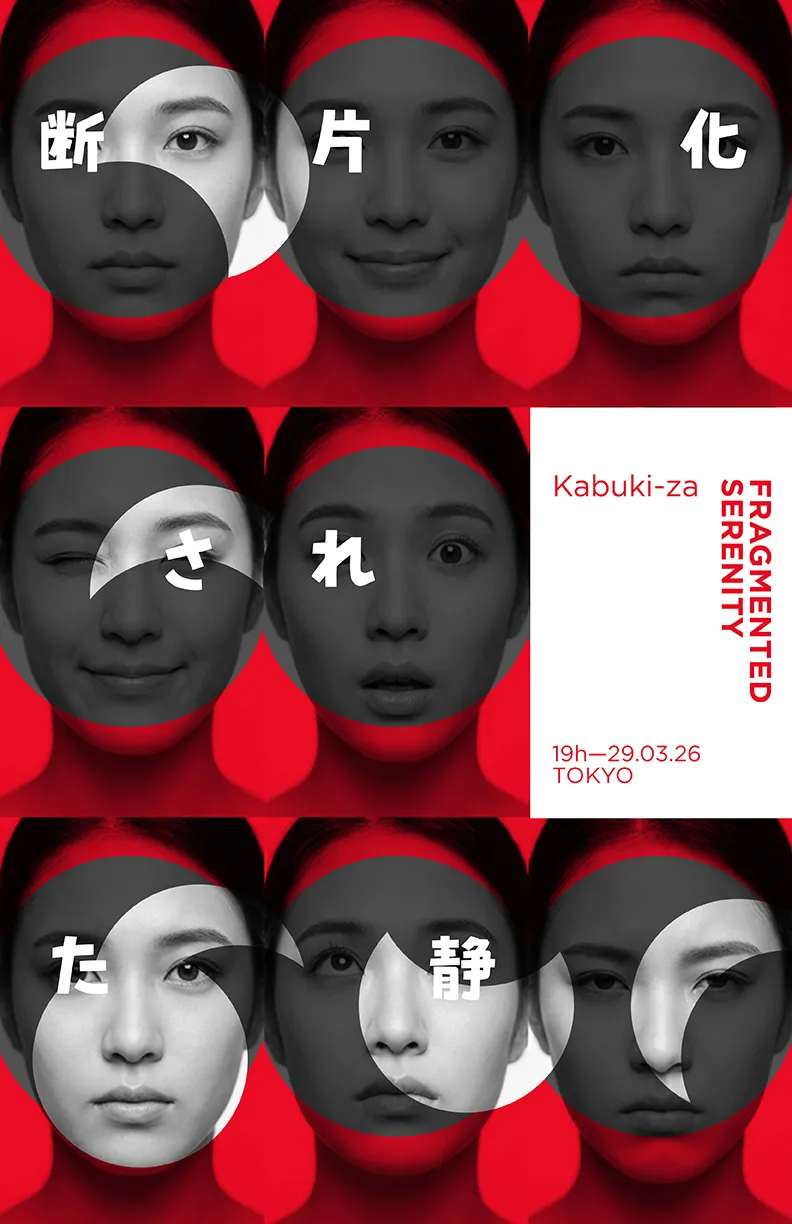
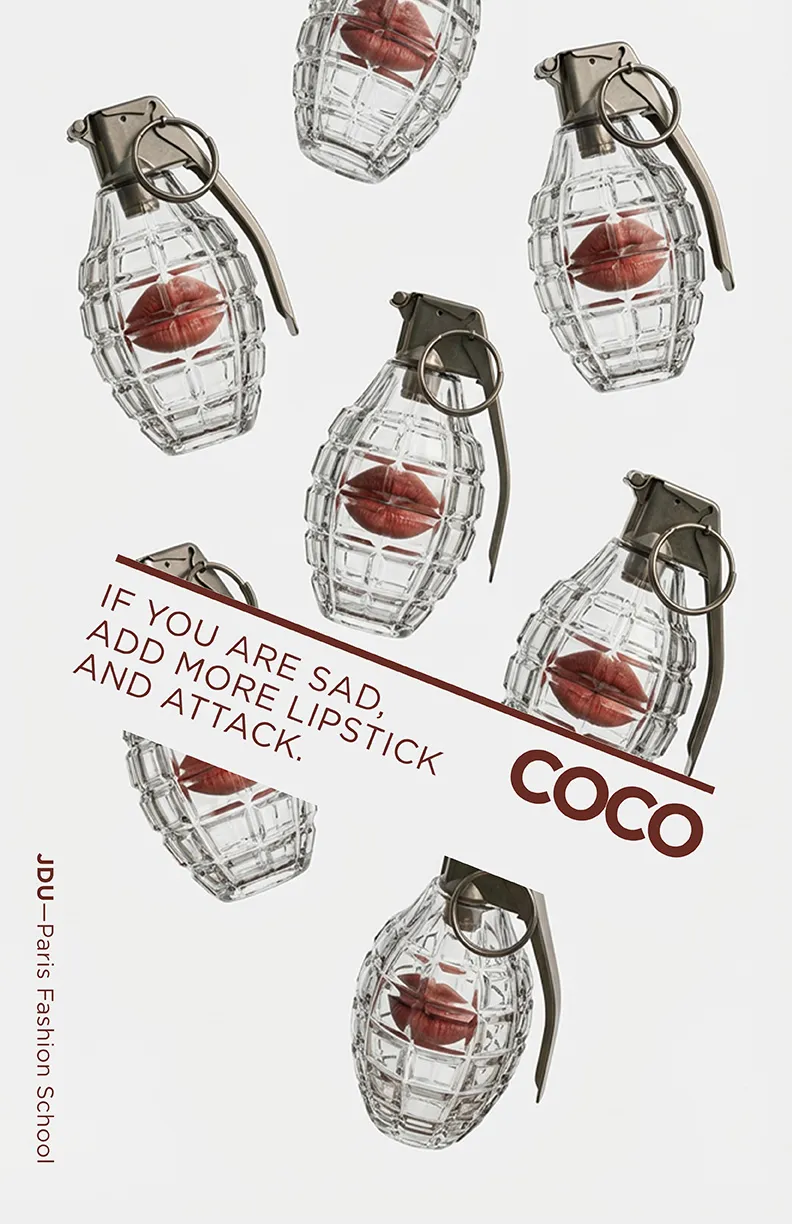

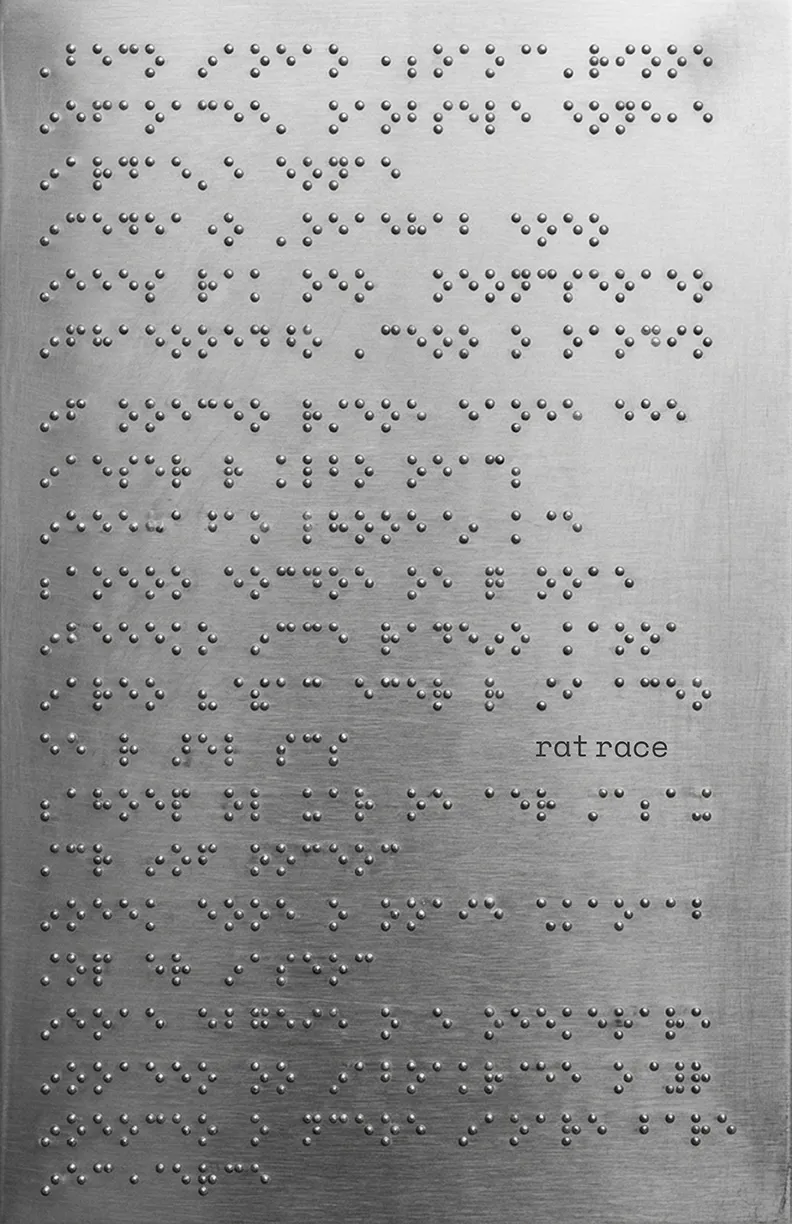
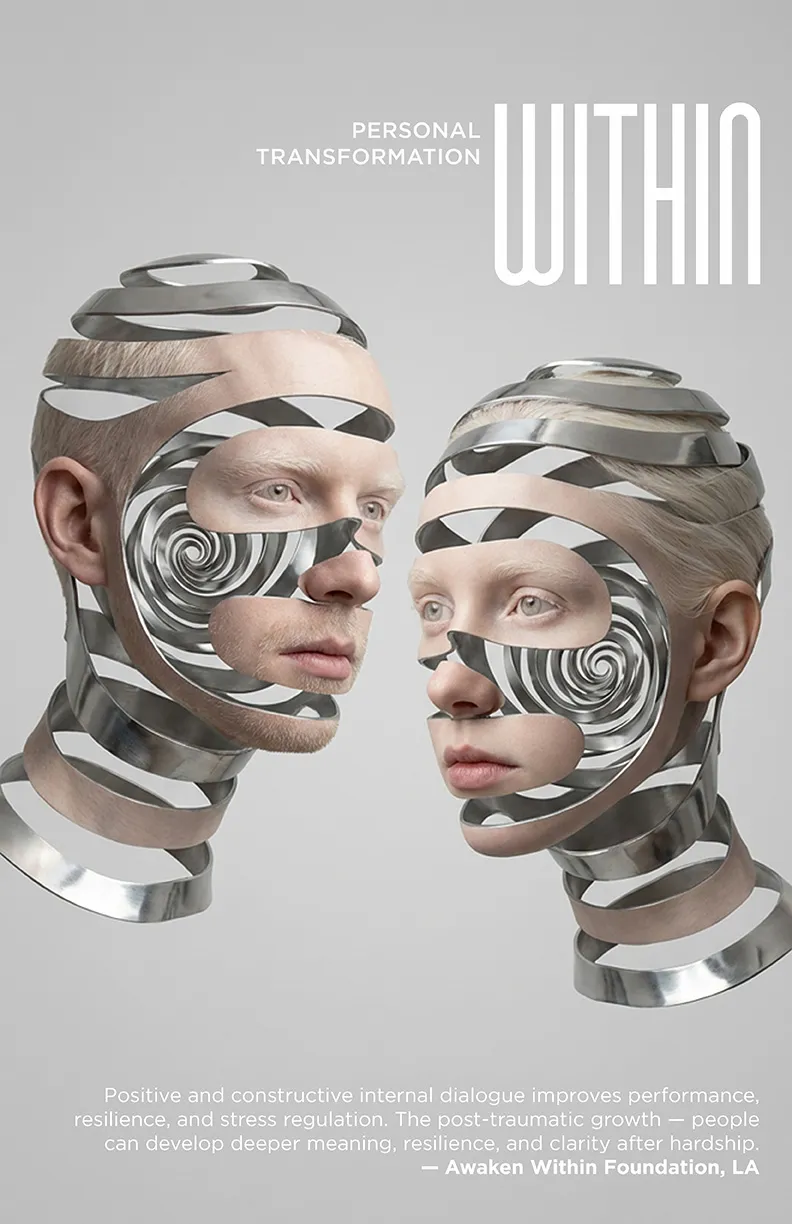







Keni Hara - We gain understanding not by defining or describing something, but by sensing the wonderment of the reality of ordinary things around us that we thought we already comprehended, as if we were seeing them for the very first time. In other words, it’s about waking up and becoming conscious of the nature of the environment that we have unconsciously created. It is through this process that people can come into contact with the same surface. Design exists at these interfaces between people and the environment, the individual and society, and life and the universe. It seems that the late Alan Fletcher was calling this “the senses in equilibrium”.









Keiko Horano - For design, economic activity is not the central issue. We have already experienced and know that when economic supremacy goes too far, people’s minds are devastated. There should be no contradiction in words and deeds. There should be no lies. It must not become a hotbed of lust. Maintain dignity. Be respectful to others. Empty-hearted. With the intervention of the idea of design we are dedicated to the betterment of life through the intervention of design ideas. To be in harmony with one’s surroundings. To harmonize with the surroundings is to keepthe beauty of the environment intact. The designer’s specific vision and ideals are the centripetal force that binds the dispersed technologies and capabilities together. The more specific the goals, and the higher the level of ommitment, the better the engineers will be able to focus on their responsibilities. The important thing is motivation. Self-correction is not neglected. Connect ideals and technology.To build a beneficial system I am convinced that it is the designer's duty to contribute to the fruitfulness of the human spirit.







Ichiro Iwasaki - Design is close to people’s senses and sensitivity. On the other hand, it is also close to technology and information. Therefore, design may be good at connecting people with something a little difficult or unfamiliar. Of course, it is also possible to take something that is not difficult, or something that we know well, and bring it closer to people. I imagine that design is somewhere in between theory and emotion, and that design can do a good job in areas that are too theoretical or too emotional. On the other hand, I think we have to be careful with design because it has its own harmful effects. Behind an easy-to-understand representation of a thing, there may be an omitted nuance, or behind an exciting and powerful image, there may be another story that is not told. When we hear the word “design,” we tend to think of it in terms of a logical and smart impression, but in fact, it is something that is made to be so human.










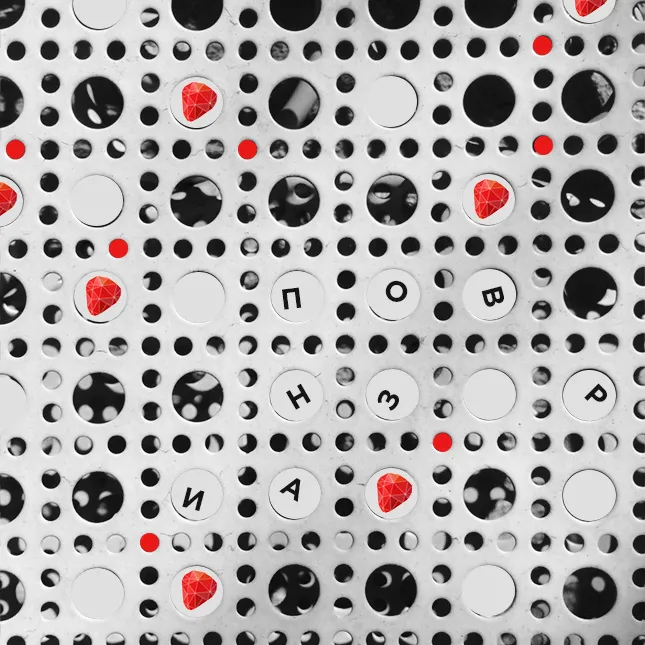

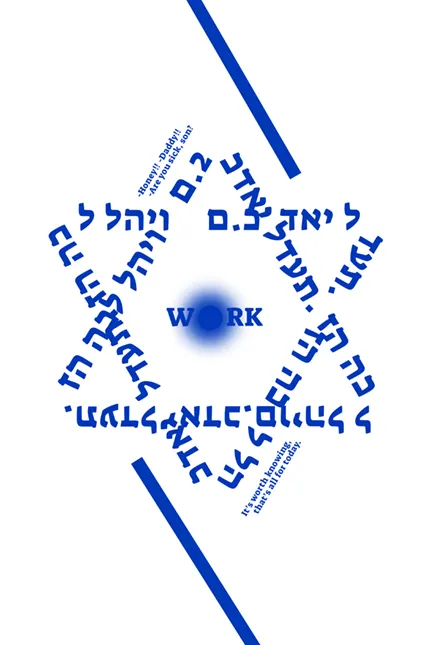


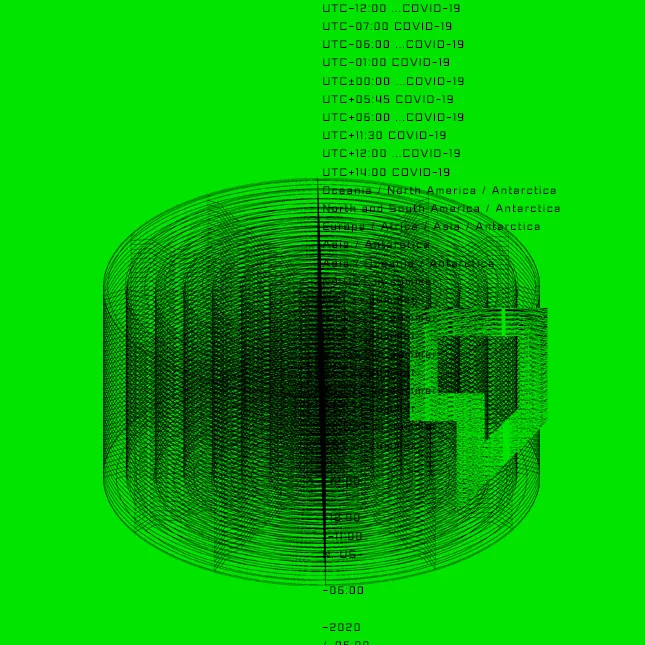


Haruka Misawa - Pay attention to the trivial things. Sometimes the most trivial things that no one pays attention to are the things we should pay the most attention to in design. Question what is obvious. Try to verify. Experiment. These are all actions that expand the possibilities. The world is not full of things that can be determined, and there are far more uncertain things that cannot be explained. Because we don't know, we continue to create, think, and learn. You don't have to go to the ends of the earth to find the unknown. The more trivial and familiar the realization, the happier I am. What we don't know is very rich. Because there are so many things I don't know, I'm working hard on my designs today.
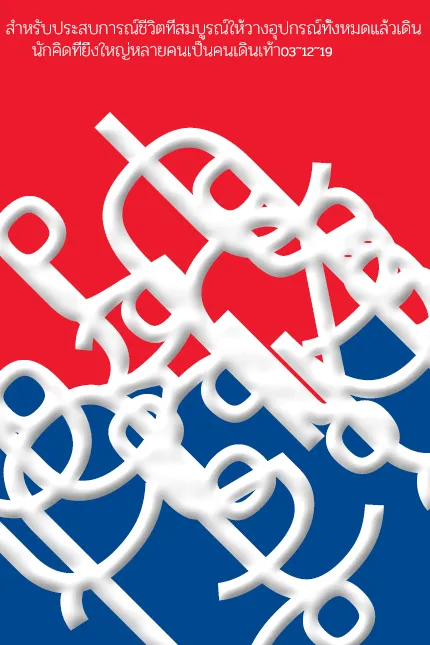








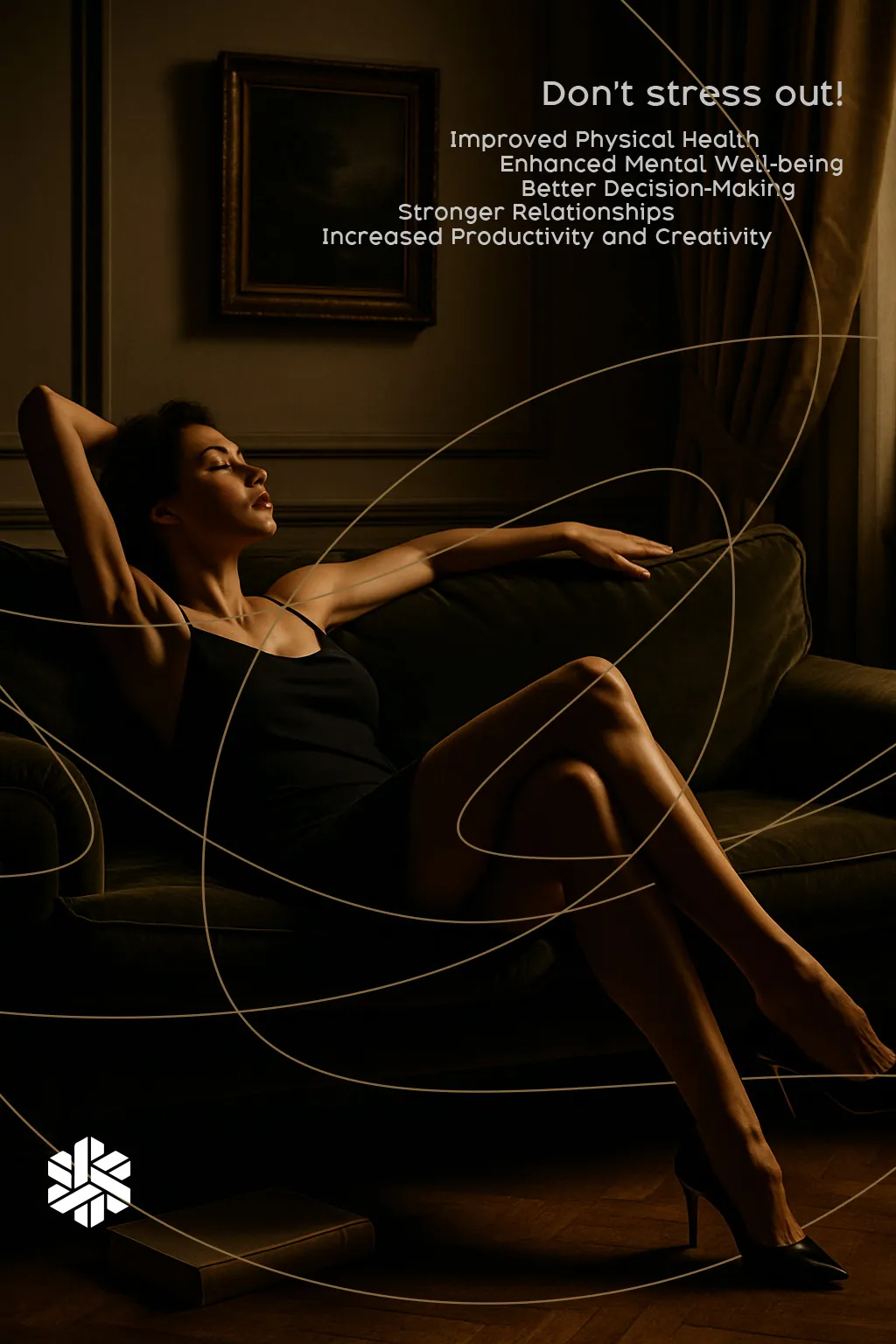
Shin Matsunaga - I think that people are often attracted to designs that are distant from their own daily lives. Silence in the midst of hustle and bustle, stiffness in the midst of softness, stillness in the midst of motion, humor in the midst of strictness, evil in the midst of honorable. All of these motivations seem to be located on the opposite side of our current lives. Even if this idea is short-sighted, I cannot deny that there have been such fluctuations and repercussions in my own design work. In the sense that I have been saying that “design is life,” there must have been some kind of rebellious psychology lying in the background. In other words, design is a way of “relieving stress” in an attempt to shake the weariness and stagnation of our daily lives.